
Typical Industry
Use Cases
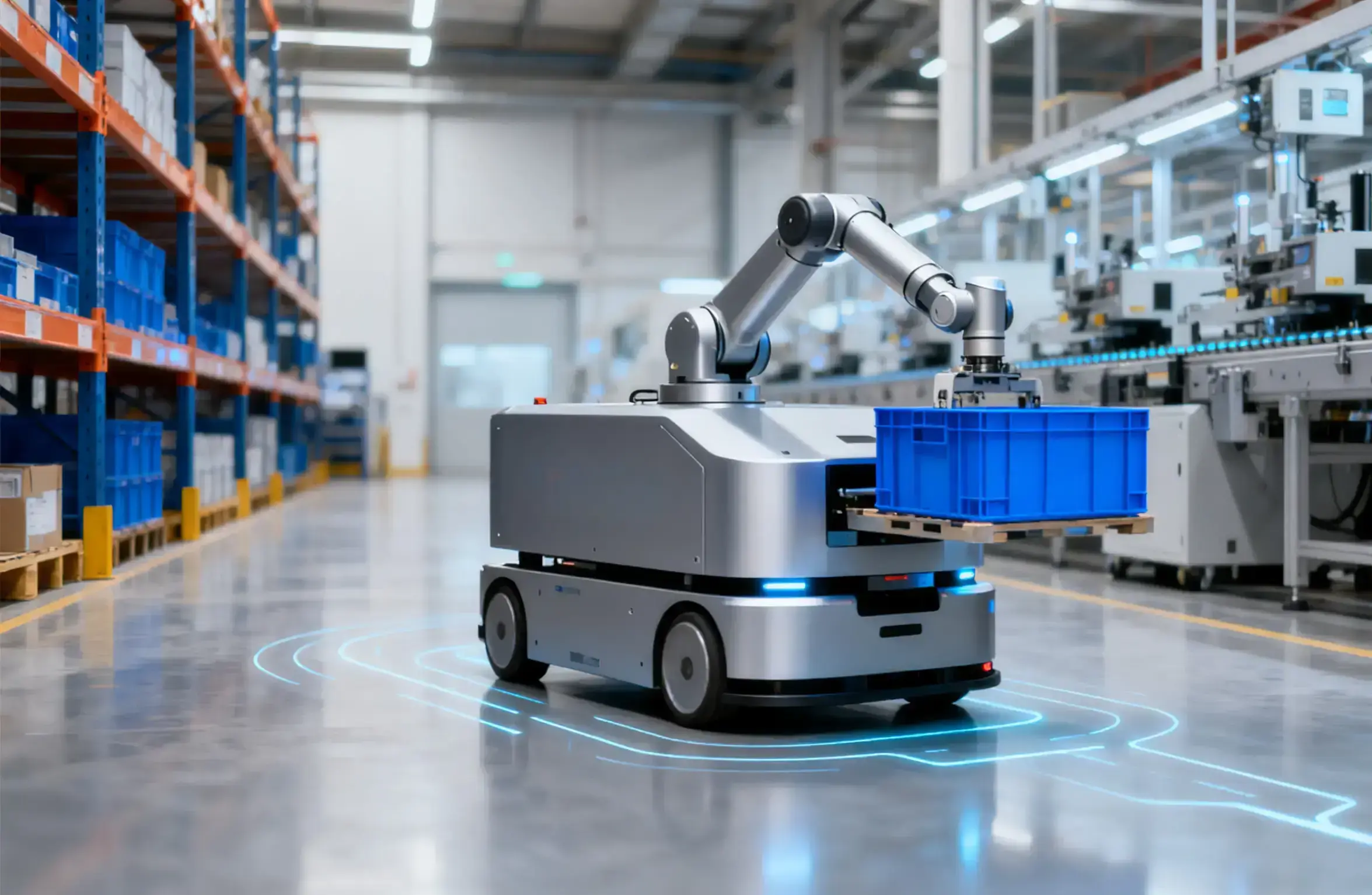
Around three low-speed mobile robot scenarios — cleaning & sanitation, unmanned delivery and campus logistics — we showcase the deployment cases and adaptability of the edge vision brain in complex real environments.
Cleaning & Sanitation
Stable recognition at night, after rain and on dirty roads
Unmanned Delivery
Passing strategies in mixed pedestrian-vehicle environments
Campus Logistics
Task-stage recognition and detour suggestions
Unified Base
One vision brain adapted to multiple scenarios
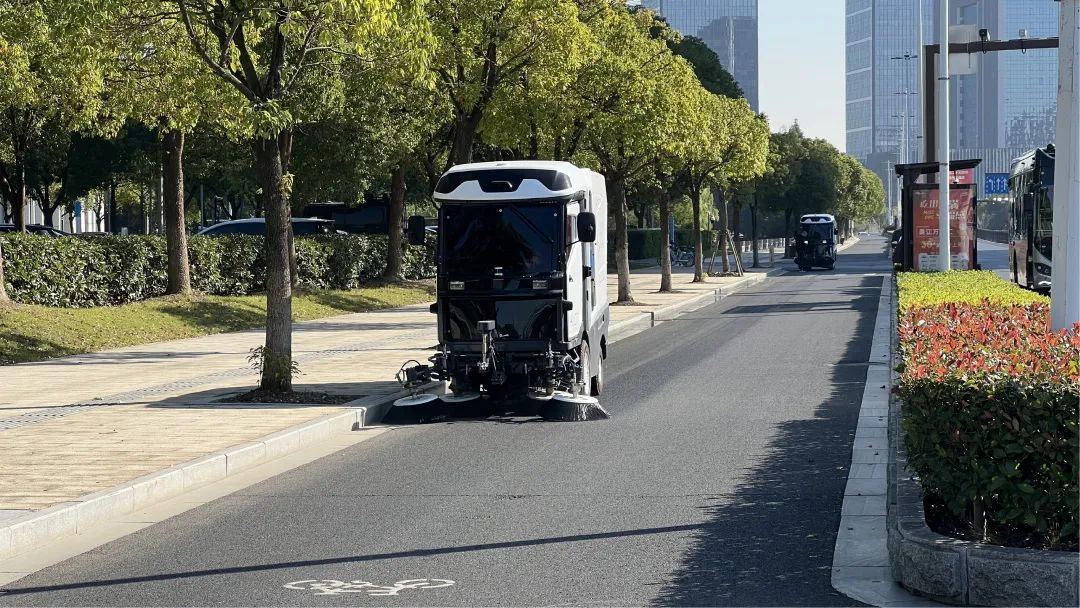
Stable recognition at night, after rain and on dirty roads
For cleaning & sanitation scenarios, the edge vision brain focuses on environment understanding during night operation, post-rain reflection, dirty roads and dense unstructured obstacles, supporting safe, efficient and continuous robot operation.
Pain Points
Night / post-rain reflection, dirty roads and dense unstructured obstacles affect low-speed traversal stability.
Solution
Environment robustness optimization improves perception stability under wet, soiled and complex lighting conditions.
- check_circle Enhanced night & post-rain conditions
- check_circle Unstructured obstacle recognition & low-speed traversal judgment
- check_circle Continuous sanitation operation adaptation
Passing and waiting strategies in mixed pedestrian-vehicle environments
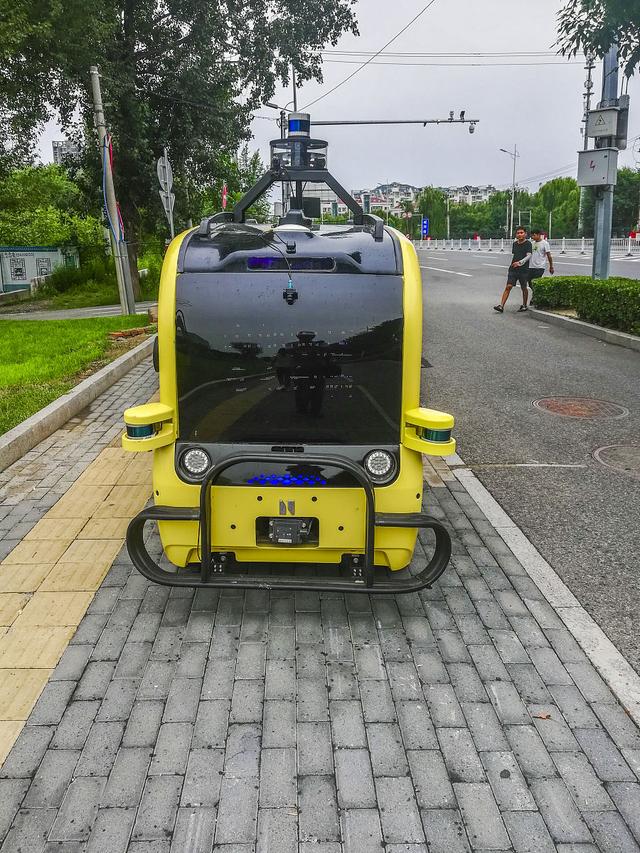
For unmanned delivery vehicles, we handle mixed pedestrian-vehicle traffic, temporary road occupation and dense dynamic obstacles, forming safer pass, detour and wait strategies through dynamic target trajectory prediction and risk grading.
Dynamic Path Judgment
Quickly forms pass, wait or detour suggestions for temporary occupation, congestion and route changes.
Dynamic Target Prediction
Predicts trajectories of pedestrians, vehicles and other dynamic targets to improve decision stability in complex environments.
Risk Grading
Combines environment risk levels and task states to support smoother delivery control.
Task-stage recognition under complex working-area road conditions
For campus logistics vehicles, the core challenges are path blockage, complex working areas and frequent task switching. The case focuses on task-stage recognition and detour suggestions to maintain continuous operation in complex campus environments.
Scenario Features
Complex working-area states, frequent temporary stops, path blockage and loading tasks coexist.
Solution
Task-stage recognition and path detour suggestions improve execution continuity under complex logistics conditions.
- check_circle Path blockage detection & re-planning suggestions
- check_circle Working-stage recognition & state-switch judgment
- check_circle Continuous campus logistics task support
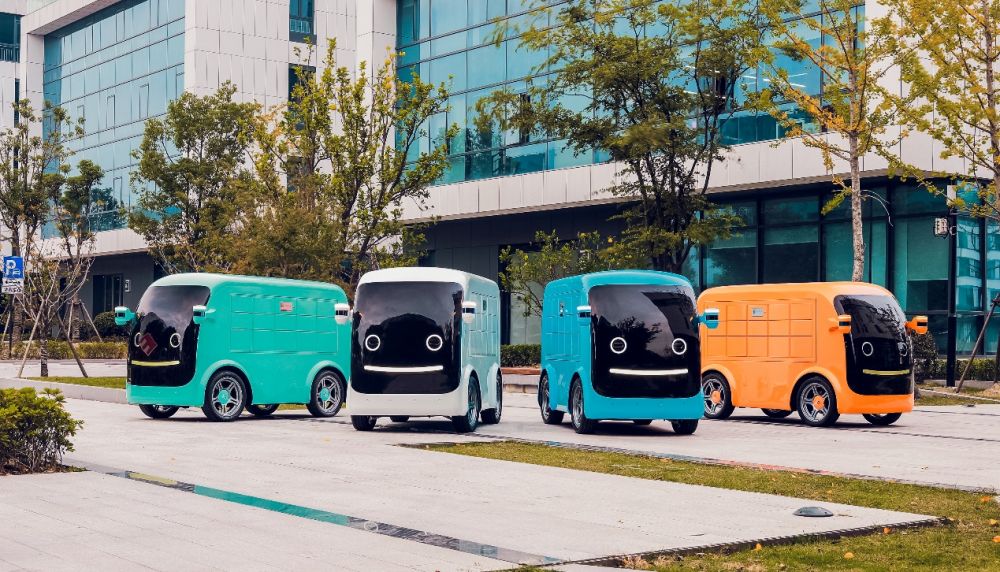
One vision brain, adapted to multiple low-speed robot cases
From sanitation and delivery to campus logistics, different cases share the same edge perception, scene understanding and continuous iteration capability base.