Access SDK
Provides C++ / Python SDK to help customers quickly complete device access, capability invocation and application development.
For unmanned delivery vehicles, unmanned sanitation vehicles and material handling robots
we provide a cross-platform environment understanding & task semantics platform
One brain, adapted to multiple low-speed vehicle bodies
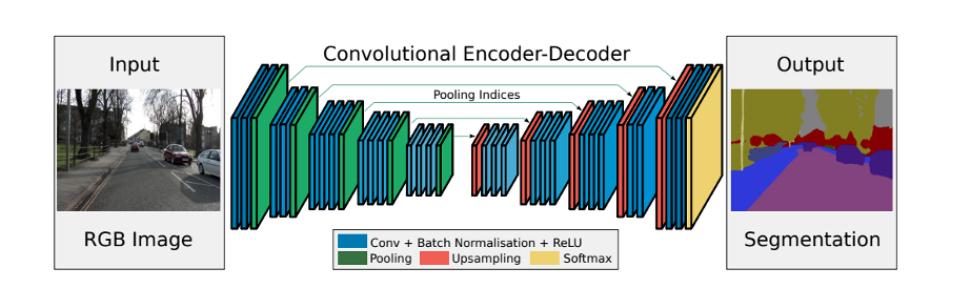
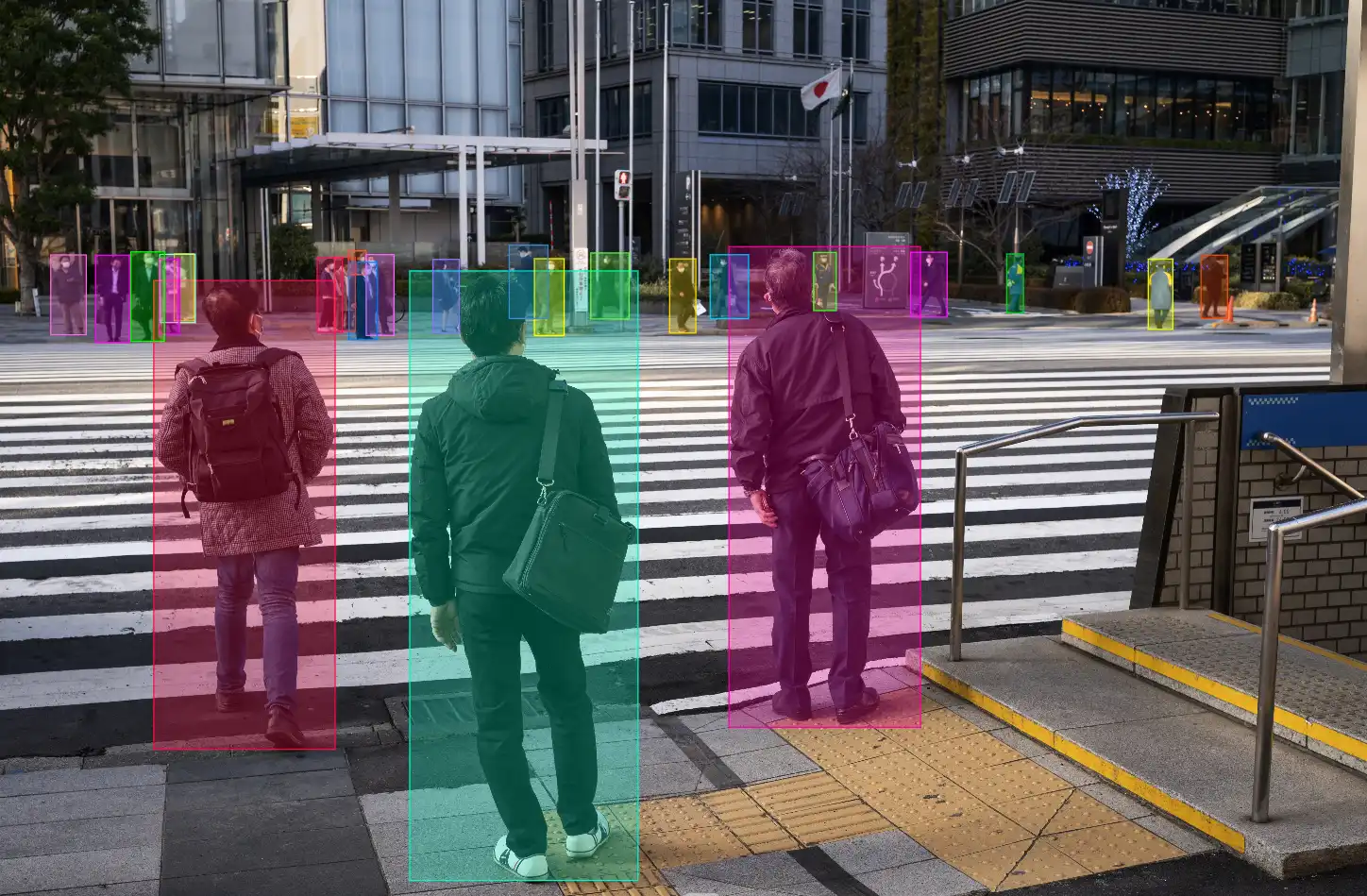
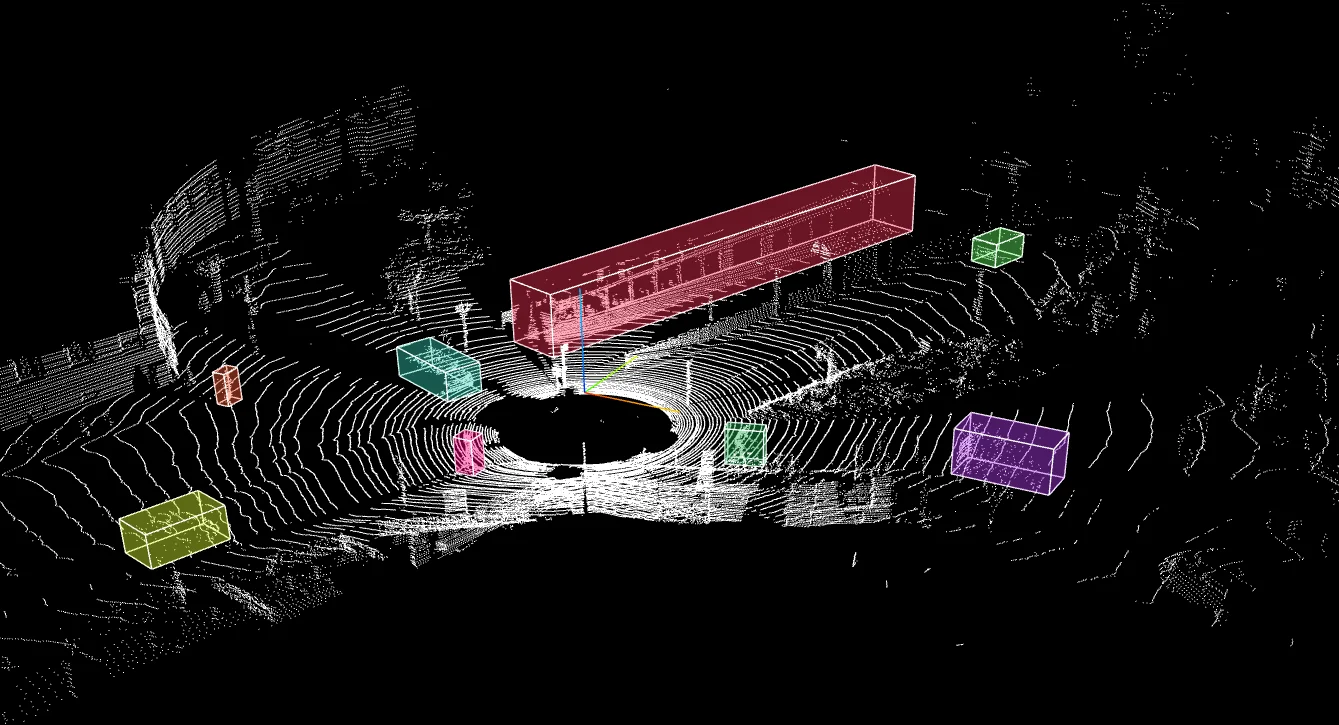
Real-time output of obstacle categories, traversable areas, dynamic trajectories, risk levels, stop reasons and takeover suggestions.
Translates vision results into task-meaningful structured semantics, helping robots understand environment states and action suggestions.
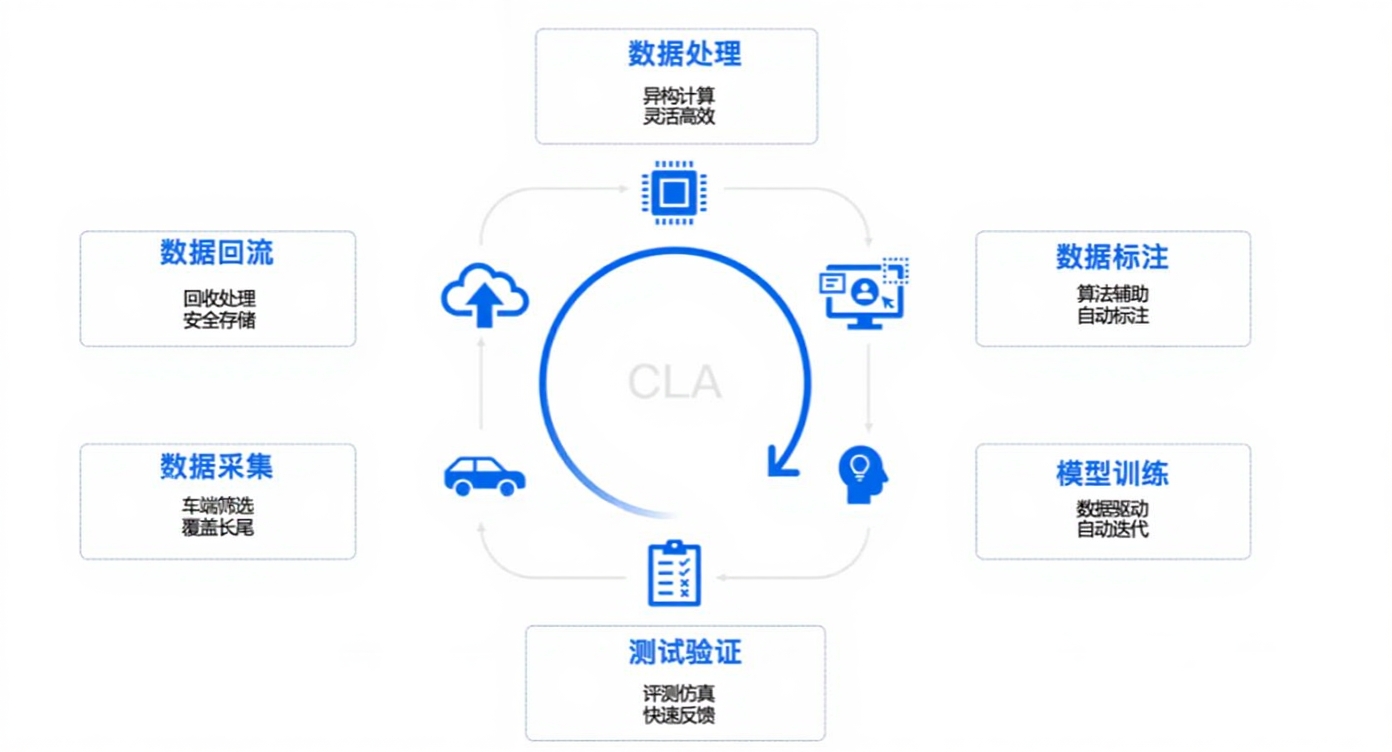
Covers collection, filtering, annotation, training and update workflows to build continuously iterating data-driven capabilities.
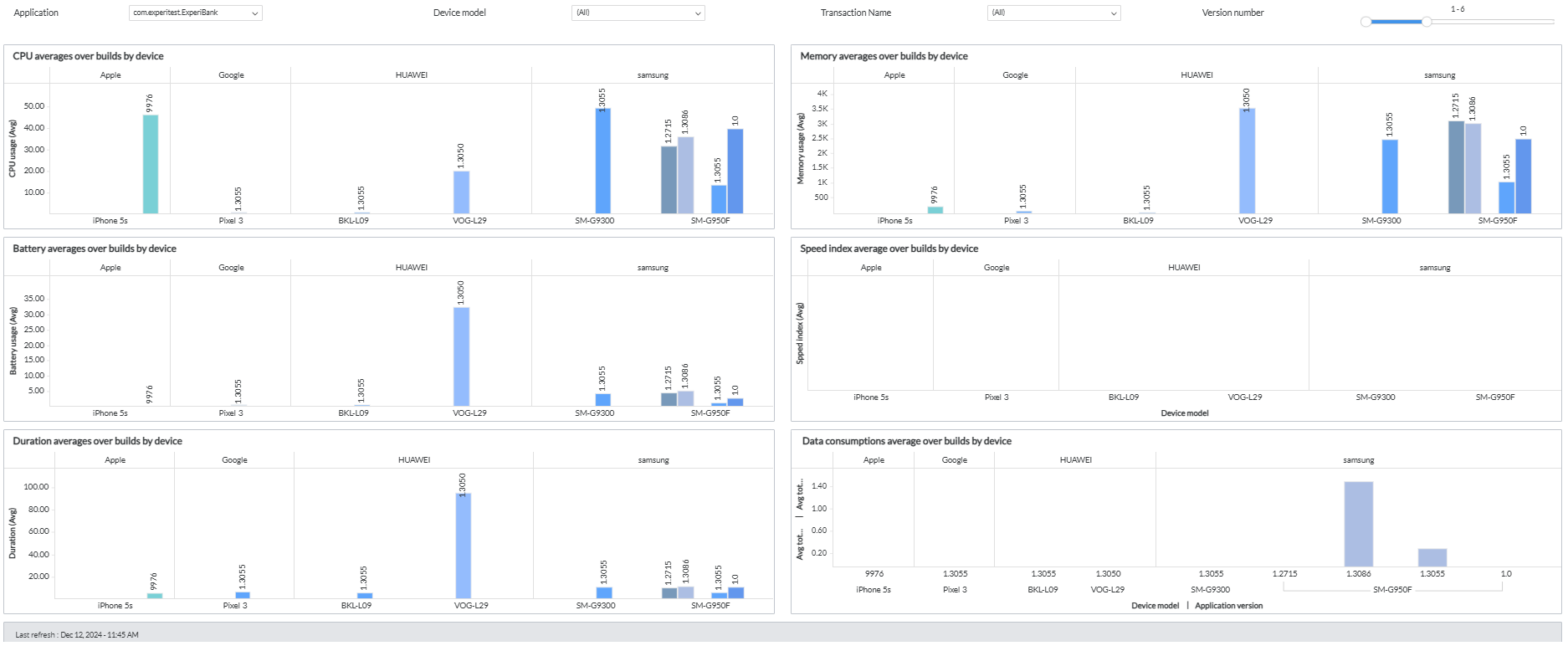
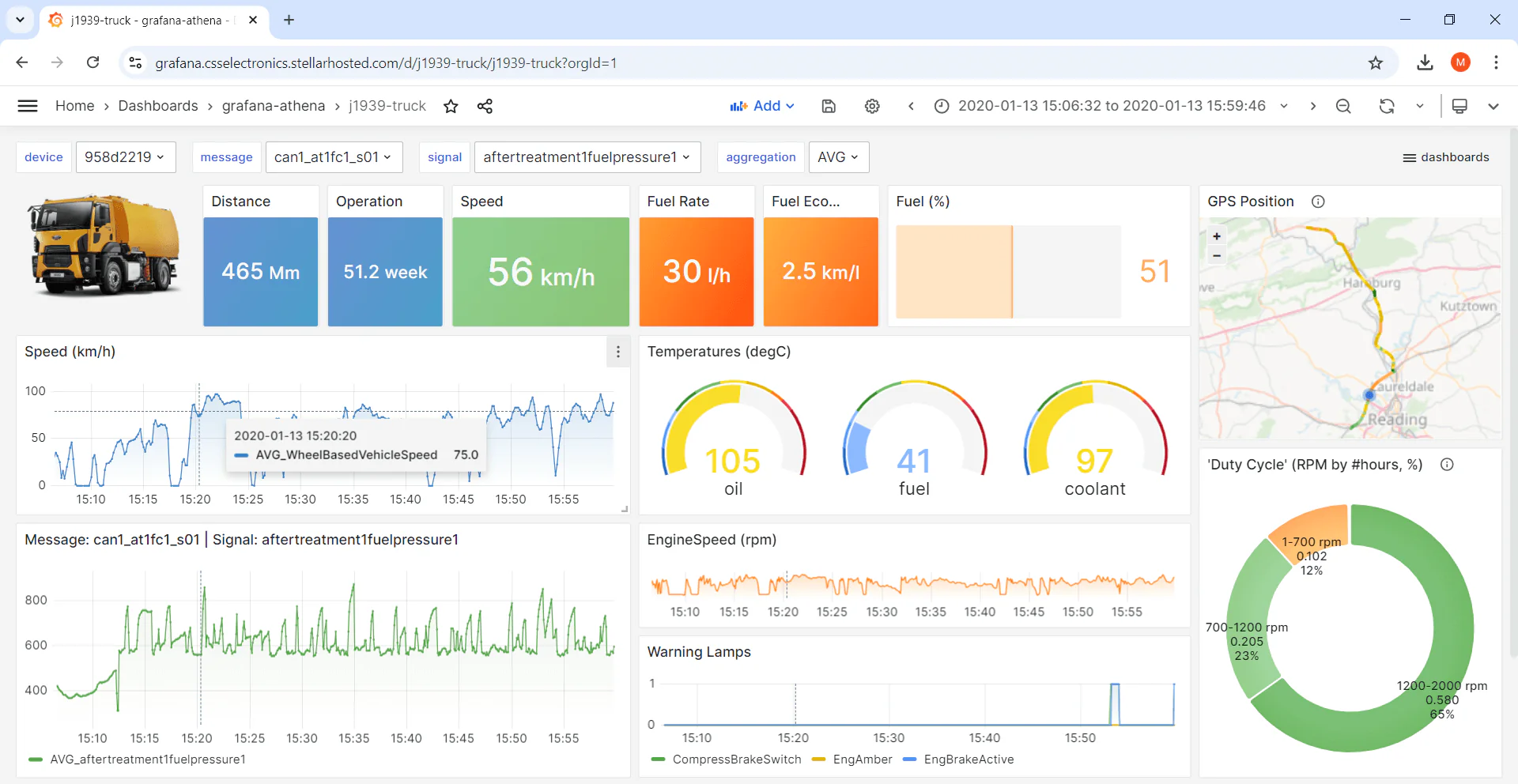
Provides anomaly statistics, stop-reason reports, high-risk road heatmaps and version comparison to support scaled delivery and operations.
One brain, four scenarios — from sanitation and delivery to material handling and inspection
Night / post-rain reflection, dirty roads and many unstructured obstacles.
Environment robustness optimization improves recognition stability under wet, soiled and complex lighting.
Mixed pedestrian-vehicle traffic, temporary occupation, many dynamic obstacles and frequent route changes.
Dynamic target trajectory prediction + risk grading for safer pass and wait strategies.
Congested lanes, scattered loading points and frequent task route switching.
Task-stage recognition + path re-planning improves handling efficiency and scheduling stability.
Large inspection areas, frequent environment switching and complex anomaly target types.
Multi-area semantic perception + anomaly recognition for continuous inspection and timely alerts.
Self-built Data AI base · the cornerstone capability of the robot edge vision brain
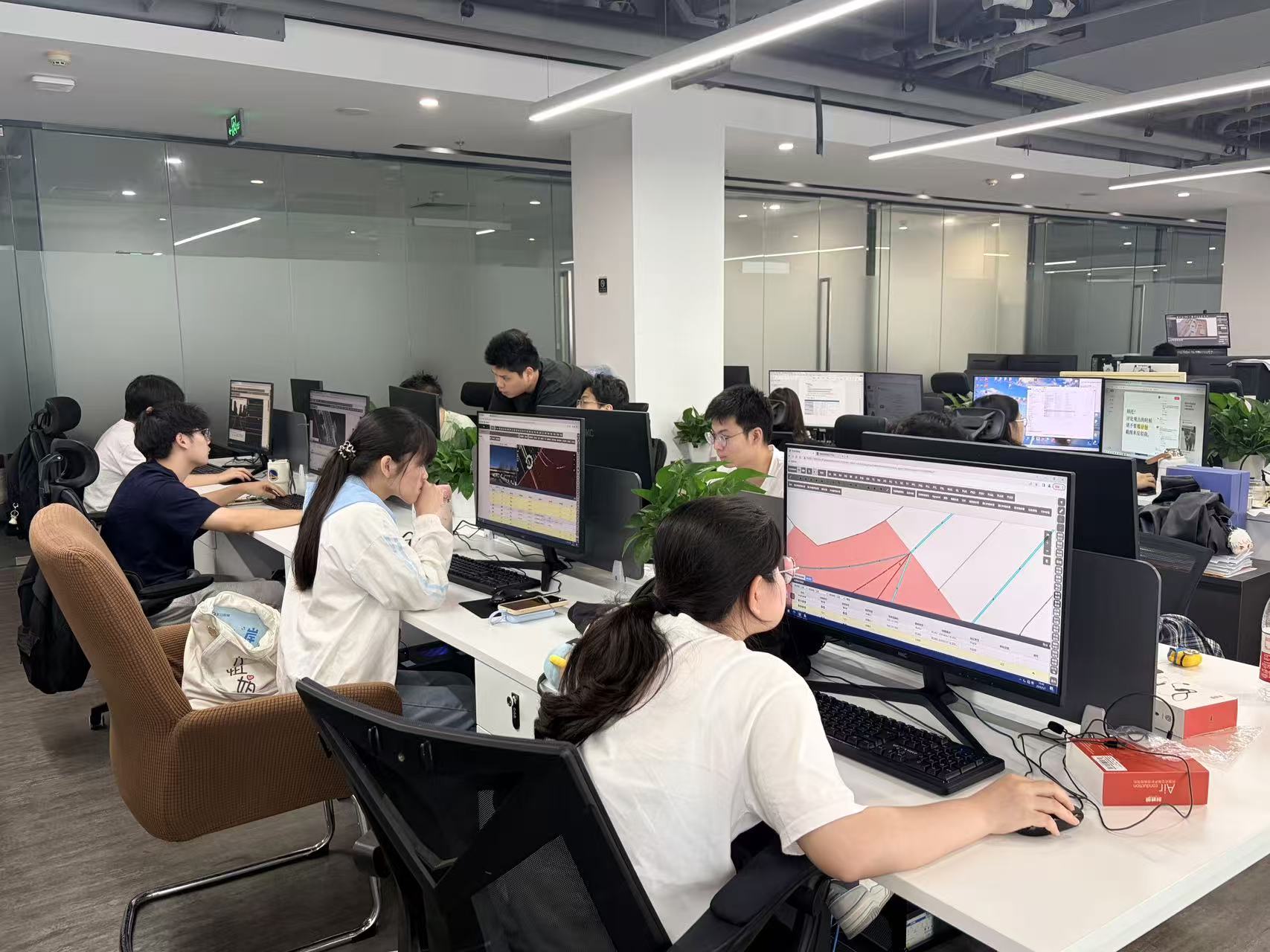
Multi-angle lighting simulation, different material surfaces, operator SOP boards and multi-camera collection workflows,
providing high-quality real data samples for low-speed mobile robot training.
Unified management of obstacles, traversable areas, semantic attributes and event-level labels,
providing a standardized data foundation for model training, evaluation and version release.
Around access, deployment, debugging and integration capabilities, we build an open ecosystem for customers and partners.
Provides C++ / Python SDK to help customers quickly complete device access, capability invocation and application development.
Supports standard APIs, data callback and control integration, easy to integrate with vehicle control, scheduling and cloud platforms.
Covers deployment guides, interface manuals, debugging guides and typical scenario examples to lower the integration barrier.
Provides joint debugging, project delivery, ecosystem co-building and application deployment support to improve cooperation efficiency.
Showcasing joint R&D, industry-academia cooperation, ecosystem partners and qualification achievements — the collaboration foundation and phased progress of KUNHUA in robot vision brains.
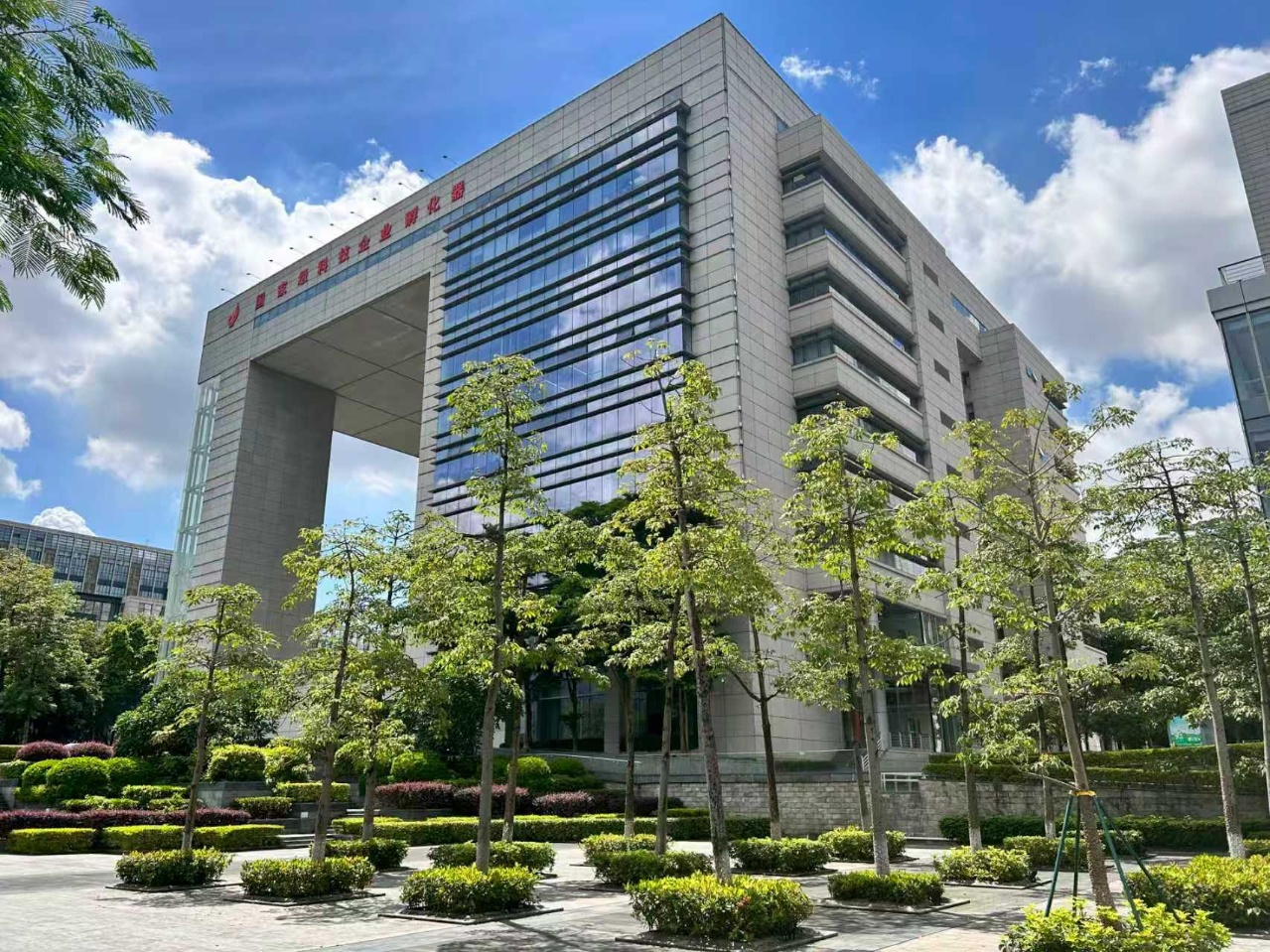
Founded in May 2025, KUNHUA Technology (Guangzhou) Co., Ltd. is a high-tech company initiated by industry teams in AI and robotics, dedicated to the embodied-intelligence edge vision brain.
The company is committed to building a leading robot vision perception and cognition engine in China. Around the core needs of "seeing clearly, understanding, judging, and acting" in real complex environments, it builds a core technology system integrating vision perception, object recognition, spatial understanding and intelligent reasoning.
It has jointly built an Embodied Intelligence R&D Center with Hunan University and cooperates deeply with Guangzhou Institute of Technology on an embodied-intelligence vision brain collection & training center and a data annotation base.